The Brick-by-Brick® programme: Play Included’s update to LEGO-based therapy shows 99% Positive Impact Rating on All Students
Author: Gina Gomez de la Cuesta
In a fast-changing world where traditional therapeutic methods often fall short of engaging neurodivergent children, Play Included’s Brick-by-Brick® programme, has emerged as an innovative approach that is not only effective but also universally loved by those who experience it.
The Brick-by-Brick® programme is the latest thinking in the field of LEGO-based therapy, developed to be neurodiversity affirming and embedding learning through play. A recent survey conducted by Play Included revealed that 99% of health and education professionals supporting neurodivergent children with the Brick-by-Brick® programme reported a positive impact. More importantly, 85% of children said they had fun and 90% reported they had friends in their Brick Club. This article delves into what makes this playful approach so effective, its impact on children, and the science behind why structured play, particularly with LEGO bricks, can be a powerful tool for development.
Buildling on the Foundations of LEGO therapy, Brick-by-Brick.
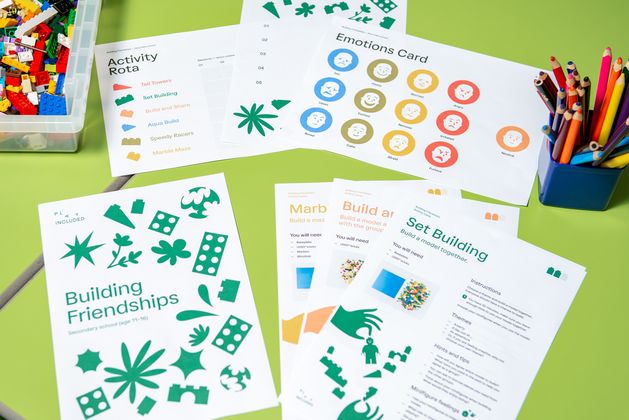
Play Included’s Brick-by-Brick® programme is a thoughtful update to LEGO-based therapy. Designed to support meaningful social interaction, play and communication, it’s a fun and effective way for children to develop new skills whilst enjoying themselves. This neurodiversity affirming methodology can be particularly helpful for neurodivergent children, such as autistic children, but can be used widely to support all children to make friends, play together and develop many skills. In the Brick-by-Brick® programme, young people work together to build models using LEGO bricks, fostering collaboration, communication, and problem-solving. LEGO-based therapy was developed by Dr. Daniel B. LeGoff, a clinical neuropsychologist, and Play Included has built on this work to create the Brick-by-Brick® programme, leveraging the intrinsic appeal of LEGO play to create a highly engaging and effective environment for playful learning.
How LEGO-Based Therapy Works
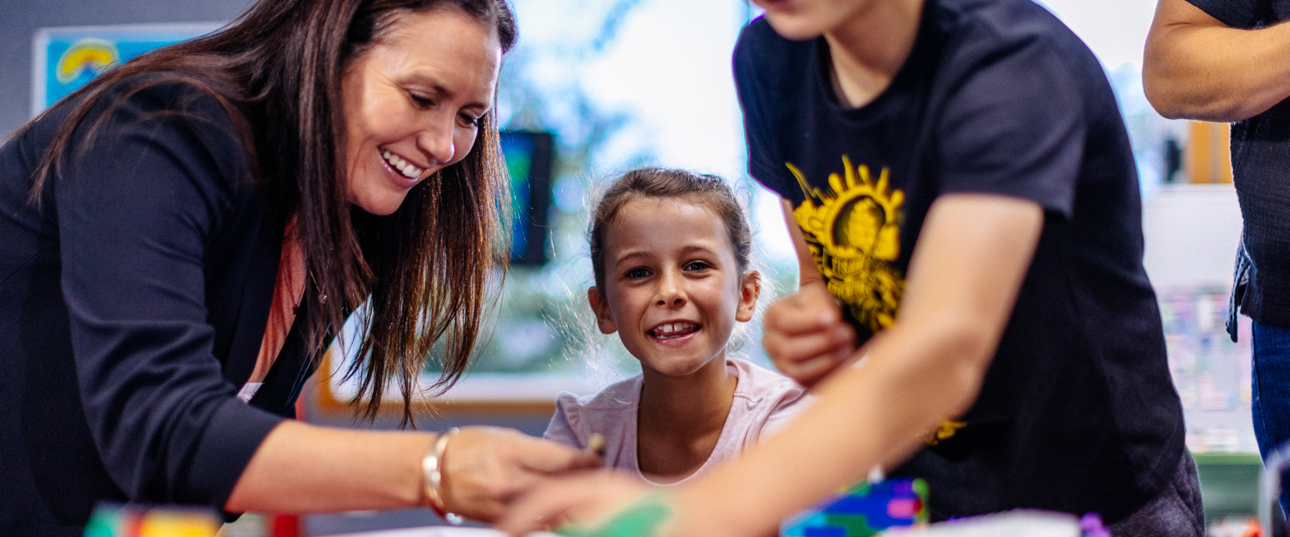
The core of LEGO-based therapy lies in its ability to create a playful, natural and motivating context for socialising. Children work in small groups, with each participant taking frequent turns to do different jobs in the LEGO build, such as the builder, the supplier, or the engineer. Building together in roles involves communication and collaboration, as well as a mutual purpose, helping each other out, and a joint sense of pride in their creations. Through different collaborative LEGO play activities, children talk and socialise, they work together, take turns, listen to each other and have the meaningful outcome of a finished LEGO model they can then play with and show to others.
The Brick-by-Brick® programme only works well if the sessions are delivered by trained facilitators, who guide and support children to take the lead in their own learning, decision making and problem solving. Trained facilitators are skilled in creating a supportive environment that encourages playfulness, fun and positive interactions. Facilitators help the children navigate social challenges, offering guidance and support as needed, while also allowing them the space for children to develop their own strategies for communication and problem-solving.
99% Positive Impact: What the Survey Revealed
The Play Included impact survey, which gathered data from a wide range of participants across various settings, revealed that 99% of facilitators delivering the Brick-by-Brick® programme reported a positive impact on children’s social interaction and communication. This is a remarkable finding, especially considering the diverse needs of children attending Brick Clubs.

Parents, and professionals who participated in the survey also reported significant improvements in the children’s ability to engage with peers, follow instructions, and express themselves more clearly. Many noted that the children were not only less nervous to participate in group activities but also showed a greater sense of self-confidence and independence.
Why LEGO-Based Therapy Works
The success of LEGO-based therapy can be attributed to several key factors:
Engagement through play
Play is a natural and powerful tool for learning. For children, play is intrinsically motivating, and the best way to learn new skills. LEGO bricks are really appealing to children, making them an ideal tool to support fun, learning and collaboration.

Structured Environment
The structured nature of LEGO-based therapy provides a clear framework within which children can interact with each other. Children change their roles frequently when building a model and make the decisions of when to swap jobs as a team. This means the children have agency and choice, and swapping regularly ensures every participant is actively involved, which helps to minimize social anxiety and create a sense of accomplishment.

Facilitator Support
The presence of trained facilitators is crucial to the success of LEGO-based therapy. Trained Brick-by-Brick® facilitators are playful, positive and supportive. They are not only responsible for guiding the building activities but also for engaging the children positively and playfully, allowing children to take the lead, celebrating successes and modelling how best to navigate any challenges that arise during the session. Many LEGO-based therapy training courses don’t have enough time allocated to this essential component of the programme, focusing more on building LEGO sets in roles. Play Included’s Brick-by-Brick® programme has purposefully dedicated a whole course to playful facilitation to support adult facilitators to get the most out of LEGO-based therapy. modelling

Peer Interaction
One of the key components of LEGO-based therapy is the opportunity for children to socialise and interact with their peers in an accepting, structured and supportive environment. The Brick-by-Brick® programme is accepting, accessible and child led. The peer interaction allows children to communicate, socialise, play and problem solve together in real time, thus maximising the relevance of the programme to their lives and the generalising of the learning and friendships made to other settings.

The Broader Impact on Child Development
Beyond the immediate improvements in social and communication skills, LEGO-based therapy has been shown to have a broader impact on the overall development of children. Many parents and educators reported that children who participated in Play Included’s Brick-by-Brick® programme demonstrated increased creativity, improved fine motor skills, and a greater ability to concentrate on tasks.
Moreover, the positive experiences gained through the Brick-by-Brick® programme often translate into other areas of the children’s lives. For example, children who were previously reluctant to engage in group activities at school or in the community felt confident to take part, leading to more meaningful social interactions and friendships.
The Role of Play Included
As the only organization with an official partnership with the LEGO Foundation, Play Included plays a crucial role in promoting and delivering the highest quality LEGO-based therapy across various settings, including schools, therapy centres, and community groups. The organization offers comprehensive training programs for facilitators, ensuring that they are equipped with the skills and knowledge needed to effectively deliver the Brick-by-Brick® programme’s latest thinking in LEGO-based therapy. Training courses for the facilitator role can be found here.
Play Included’s commitment to continuous improvement is evident in their ongoing research and evaluation efforts. The organization regularly collects feedback from participants, parents, and facilitators to refine and enhance their programs, ensuring that they remain effective and relevant in meeting the needs of neurodivergent children and all who participate in LEGO-based therapy.
Looking Ahead: The Future of LEGO-Based Therapy
The overwhelmingly positive response to the Brick-by-Brick® programme shows how this refreshing and playful update to LEGO-based therapy will become a standard practice in supporting children’s social and communication development. As more schools and therapy centres adopt LEGO-based therapy, the benefits will extend to an even broader population of children.
Moreover, with the increasing recognition of the importance of play in child development, Play Included’s Brick-by-Brick® programme is well-positioned to be at the forefront of innovative practices. Play Included’s ongoing collaboration with the LEGO Foundation ensures that the program will continue to evolve, incorporating new research and insights to further enhance its effectiveness.
Conclusion
The Brick-by-Brick® programme’s 99% positive impact rating is a testament to its effectiveness in supporting neurodivergent children. Through a combination of structured play, facilitator support, and peer interaction, this innovation on LEGO-based therapy provides children with the tools they need to develop essential skills, make friends and communicate and collaborate together whilst having fun. As Play Included continues to lead the way in this innovative field, the future looks bright for LEGO-based therapy and the children it serves.
Further information and contact details if you are interested in finding out more or talking to one of the Play Included team can be found here.