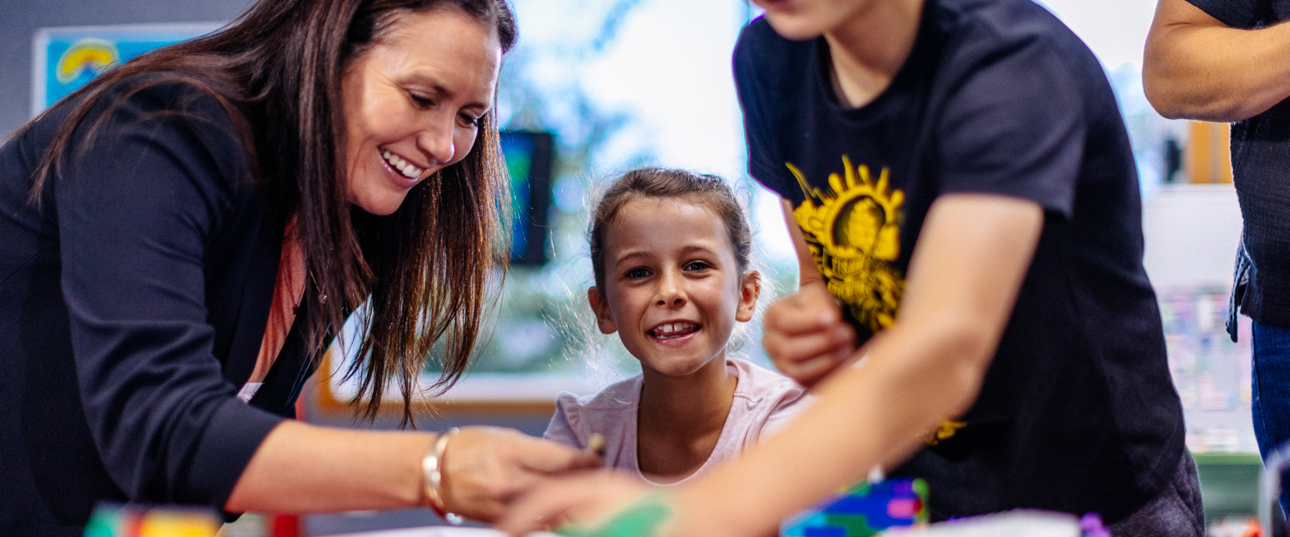
Anti-bullying week - Break the silence
The theme of this years Anti-Bullying Week is ‘Break the Silence’. But breaking the silence doesn’t always mean speaking louder. Sometimes it starts with finding a space where you feel safe enough to speak, play, share an idea — or simply be yourself.
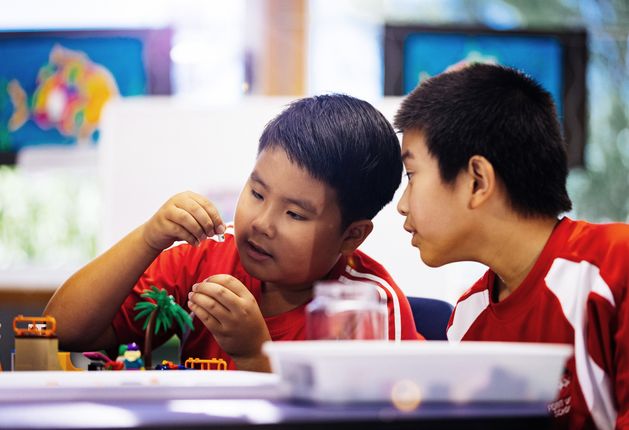
What does it feel like to find a group where you can be yourself?
Anti-Bullying Week often gets us talking about the things we want to stop: unkind words, exclusion, teasing and bullying. Those conversations matter. But this year, we want to start somewhere slightly different.
What does it feel like when you find a group where you don’t have to hide who you are?
A place where you don’t have to worry that your interests are too much.
Where there isn’t one “right” way to communicate, play or join in.
Where somebody notices what you bring to the group — not just the things you might find difficult. What does it feel like to belong?
When being included means more than being invited
Being included isn’t simply being allowed into the room. Real inclusion is feeling that the room has space for you once you get there.
For many neurodivergent young people, social situations can be stressful or overwhelming. Being part of a group may come with uncertainty about what to say, how to join in, or whether the things you enjoy will be understood by other people.
So perhaps one of the most powerful things we can give a young person isn’t another lesson about how they ought to behave around other people.
Perhaps it’s a genuinely positive experience of being with them.
An experience that says:
Your ideas are welcome here. 💡
Your way of thinking has value here. 🌿
You can contribute here. 🙌
You belong here. 💕
“I can be myself and feel happy.”
That’s how one young person described their experience of Brick Club.
Others told us:
“It helps me feel not so nervous, I feel safe.”
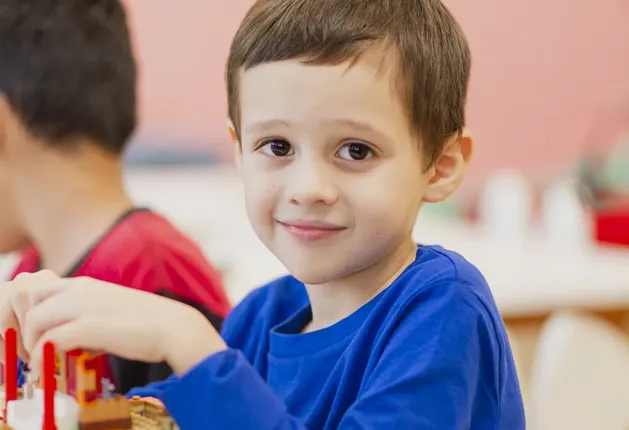
“Having fun, being yourself, making new friends.”

They’re wonderfully simple sentences. But there’s something important in them. Because feeling safe enough to be yourself can change what being part of a group feels like.
Instead of concentrating on getting everything socially “right”, there can be room to build something. To share an idea. To laugh. To disagree. To solve a problem together. To discover that somebody else loves the same thing you do. And, sometimes, to make a friend.
Start with what young people already bring
At Play Included, our Brick-by-Brick® programme focuses on creating positive opportunities for connection through collaborative LEGO® play.
The starting point isn’t: How can we make this young person better at fitting in?
It’s: How can we create an environment where different people can enjoy being together?
Brick Clubs build on strengths and interests. Young people have agency in what happens. Different ideas and different ways of approaching a problem are part of the experience.
There doesn’t have to be one correct way to think. In fact, give a group the same bricks and you’ll often see completely different possibilities. That difference is something to be curious about and celebrate.
Friendship doesn’t always begin with a conversation
Sometimes connection happens sideways. Two young people might start with a pile of LEGO bricks between them. They have something concrete to focus on. Something to make together. A shared challenge to solve. Gradually, the conversation might move beyond the bricks.
As Brick Clubs develop, facilitators often notice more natural conversations beginning to happen. Young people become interested in what somebody else is building. They problem-solve together. They share ideas. They ask each other for help.
The LEGO bricks still matter. But the relationship forming around them matters even more.
That is one of the things we love about play: friendship doesn’t need to begin with the instruction, “Go and make a friend.” Sometimes it begins with: “Can you help me find this piece?” 🧱
Creating spaces where nobody has to earn belonging
Anti-bullying work rightly asks us to notice and challenge exclusion. But we can go further. We can deliberately create places where belonging is built in from the beginning. Places that are warm and welcoming. Places where adults step back enough for young people to have ownership. Places where different communication styles, interests, strengths and thinking styles are valued. Places with enough flexibility for people to participate as themselves.
Because the opposite of bullying isn’t simply the absence of bullying. It’s acceptance. It’s connection. It’s somebody saving you a space at the table. It’s knowing your contribution matters. It’s looking forward to seeing the people there again next week. And perhaps, most importantly, it’s being able to say:
“I can be myself and feel happy.”
This Anti-Bullying Week, alongside asking how we stop young people from feeling excluded, let’s also ask a bigger question: How can we create more places where every young person gets to experience what belonging feels like?
If we want young people to break the silence, we also need to create spaces where they feel safe enough to be heard — and where they know they belong. 🫶
